Why AI Giants Ask Congress to License Them
How AI fear became a business twice: first as valuation, then as law. A look at the licensing moat that locks out everyone who might compete.
July 28, 2026This blog post is a companion piece to this video:
The Ask
May 2023. Sam Altman sits before a Senate subcommittee. He runs the most talked-about AI company in the world. He is there, by his own framing, to warn Congress about the dangers of the technology he sells.
Then he asks Congress to regulate it.
Not to leave him alone. To license him. He proposes a federal agency with the power to license the largest AI models and to take the license away.
A man who runs a company asked the government to require a license to compete with his company.
Read that again. It's most of the story.
What Businesses Do
Companies do not ask to be licensed.
For a hundred years the standard corporate posture toward regulation was resistance. You lobby to weaken it. You delay it. You water it down. Regulation is friction, and friction is cost, and cost is the enemy.
So when the head of an industry walks into the Capitol and asks for more regulation, the usual physics has reversed. Either he's acting against his own interest, which men who build hundred-billion-dollar companies rarely do by accident, or the regulation is not friction at all.
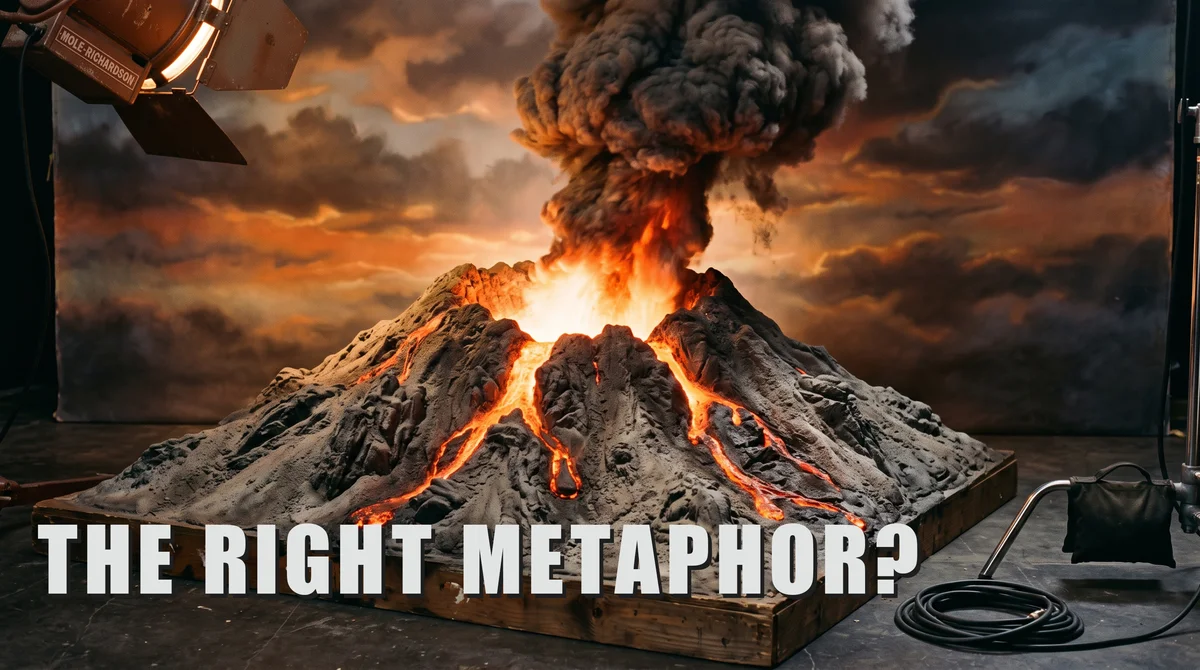
It's a wall.
What a License Does
A license is a fixed cost. To hold one you need lawyers, compliance officers, safety teams, audits, filings, and time.
A company worth hundreds of billions of dollars pays those costs out of petty cash.
A company of nine people in a rented office can't pay them at all.
The requirement is identical for both. The burden is not. That asymmetry is the entire mechanism.
In 1971 the economist George Stigler wrote it down. Regulation, he found, is often acquired by the industry it governs and operated for that industry's benefit. The rules end up shielding the companies that already exist from the companies that might replace them. He later won the Nobel Prize. He called it regulatory capture, and he was writing about railroads and truckers. The mechanism doesn't care what the product is. It works the same on language models.
The Wall Around 2019
Now go back to the experiment at the center of this whole story.
In 2019 two labs shipped the same technology. NVIDIA open-sourced the larger model and said nothing. OpenAI released the smaller one, called it too dangerous, and was rewarded for the warning.
The open-source release is the one a licensing regime kills.
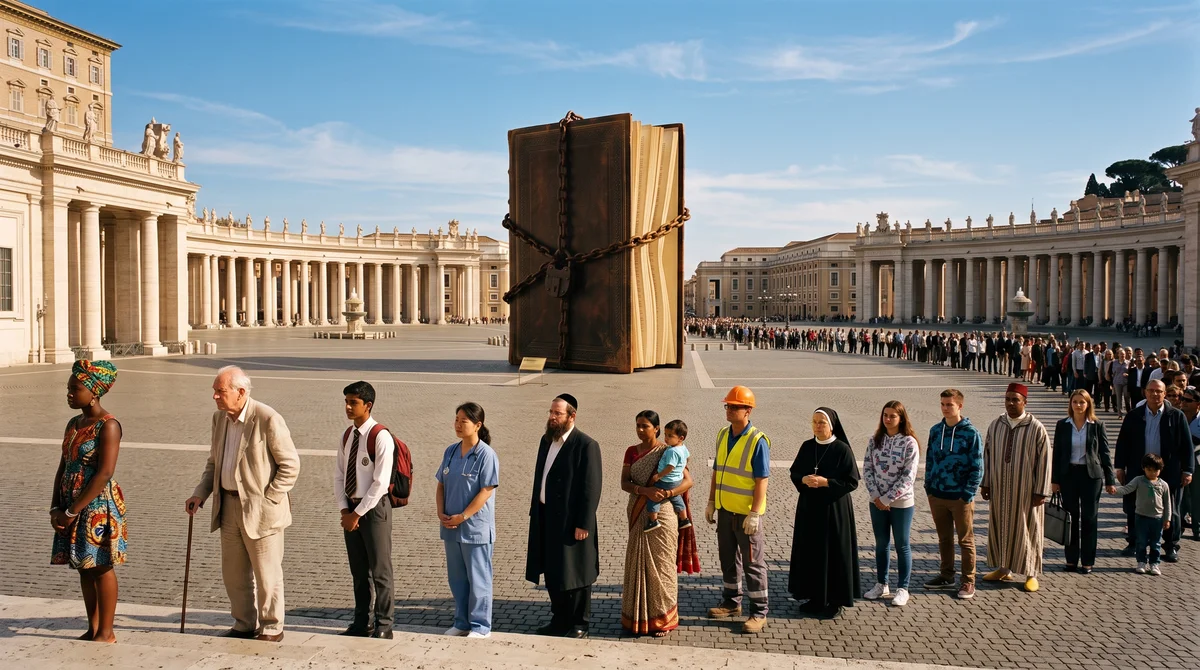
You can't license an open weight. Once the model is on the internet it belongs to everyone, including the nine people in the rented office. A licensing regime exists precisely to stop that from happening. Which means the safety requirement and the competitive barrier are not two things. They're one thing with two names.
The warning that raised the valuation is the same warning that justifies the rule that ends the competition. You sell the fear to the market on Monday and to the Senate on Tuesday. It's the same fear.
The Payroll
The warning did more than move valuations and shape rules. It created jobs.
An entire profession now exists because of the fear. Safety researchers. Alignment teams. Red teams. Policy leads. The staff of new government safety institutes standing up on two continents.
Most of them are serious people doing serious work. That is not the point. The point is structural.
A large and growing number of people are now paid to take the danger seriously. A great many of them draw that paycheck from the companies issuing the warning, or from the bodies those companies helped call into being.
An industry doesn't talk itself out of its own existence. Once the fear has a payroll, the fear has a constituency, and a constituency doesn't vote to disband.
The Door
The people who write the rules and the people who build the models come from the same small world.
They studied in the same handful of labs. They worked at the same handful of companies. They read the same papers and use the same words. They move from the firm to the agency, and from the agency back to the firm.
This isn't corruption in the cartoon sense. No envelope changes hands. It's worse than that, because it needs no envelope. When the regulator and the regulated share a worldview, a vocabulary, and a résumé, the capture happens by itself. Nobody has to be bought. Everybody already agrees.
The Second Payout
So the fear pays twice.
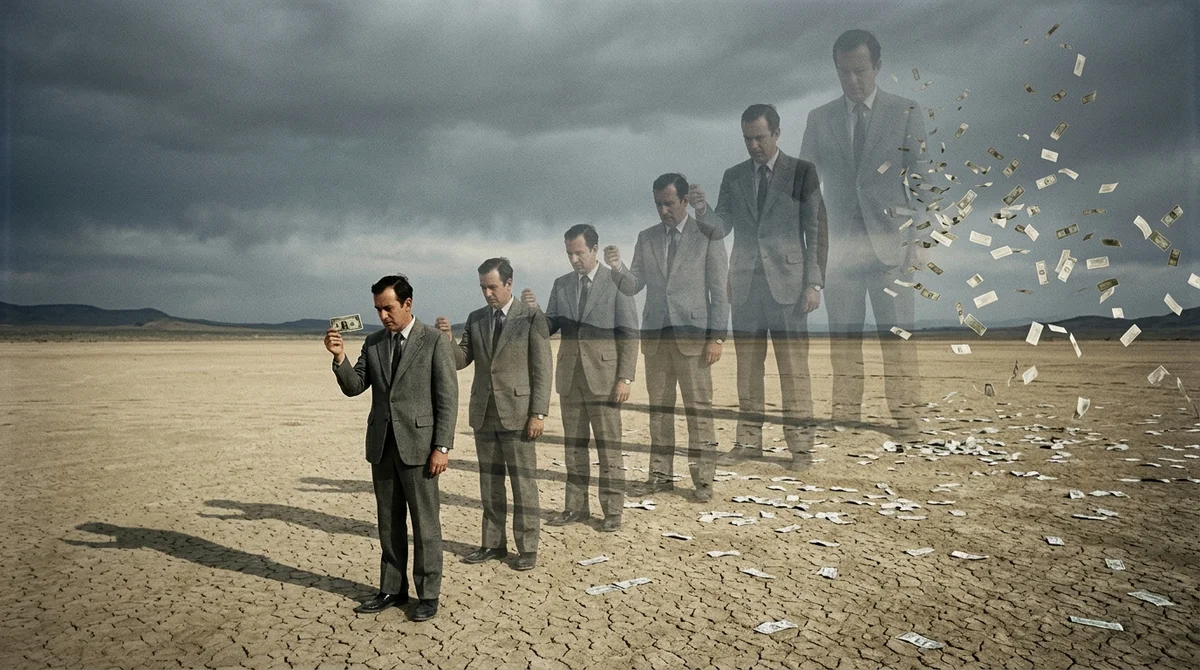
The first time as equity. The warning lifts the valuation, and the sentence gets repriced, year after year. That was the first part of this story.
The second time as law. The warning becomes a rule, and the rule becomes a moat, and the moat is worth more than any valuation, because a valuation can fall and a moat compounds. A high price invites competitors. A license forbids them.
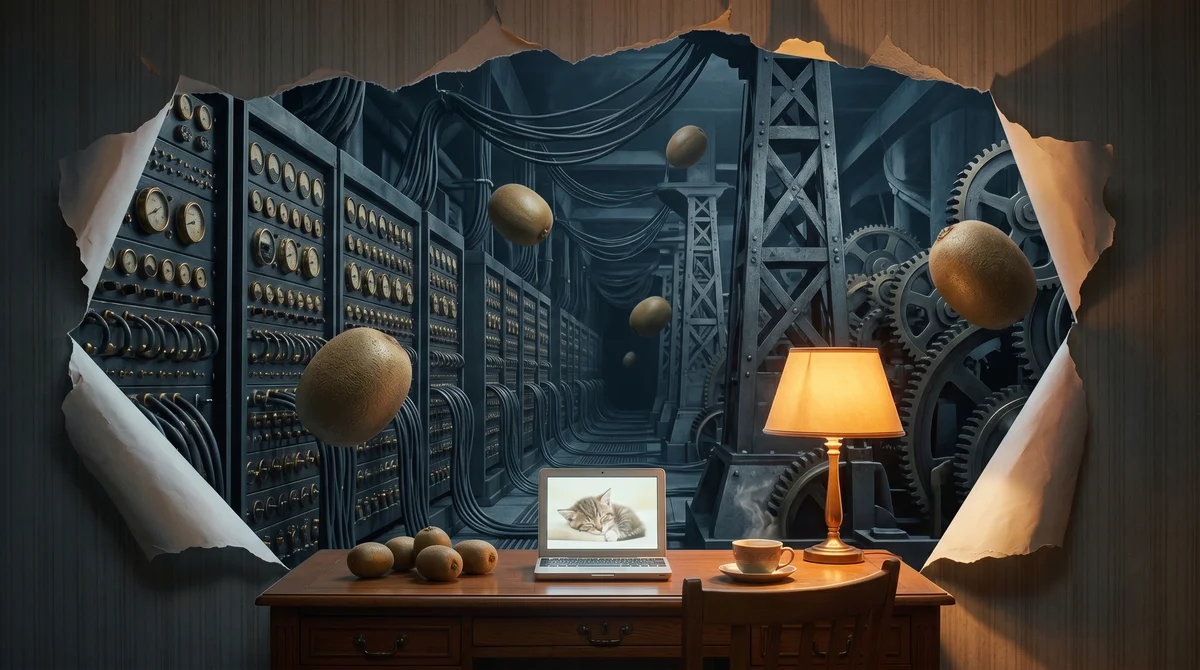
Nobody had to plan this. That is the part people get wrong when they reach for the word conspiracy. There was no room, no meeting, no memo. A man asked to be regulated, and the request made perfect sense, because in this market the danger is not a liability to be managed. It is the most valuable asset on the books. First it raised the money. Then it built the wall around the money.
The peacock grew a tail it never had to carry.
Then it asked the zoo to ban the other birds.
The members-only companion goes deeper on how this was staged and who benefits: Join the channel →. The full analytical framework lives in my premium newsletter, The Signal Report: julianwhatley.com/signup.
I'm Julian Whatley. This is the Silicon Mirage. Now you see it.